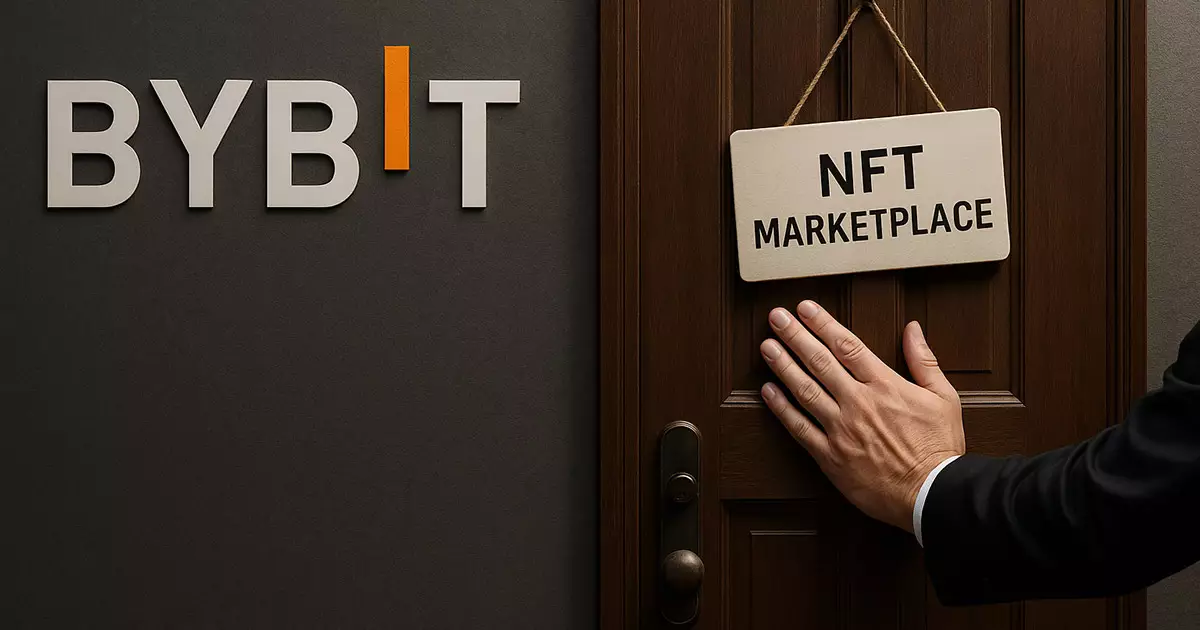
The announcement by Bybit to close its NFT Marketplace, along with associated offerings such as the Inscription Marketplace and Initial DEX Offering (IDO) pages, is more than just a corporate decision; it is a significant blow to the once-famed world of digital collectibles. As a center-right thinker, I can’t help but see this crisis as a reflection of the larger cultural malaise around NFTs—a market that was once hailed as a revolutionary format for digital ownership but has rapidly disintegrated into a ghost town. The shutdown, effective April 8, is emblematic of a deteriorating faith in the NFT ecosystem, where trading volumes are down by a staggering 95% since 2021.
Mass Exodus and Shrinking Numbers
Bybit is not an isolated case in this bleak landscape. The NFT market is witnessing a mass exodus of platforms, with Kraken and LG Art Lab among the notable casualties. The stark downturn in user activity—with active wallet engagement plummeting from over half a million to fewer than 20,000—highlights a disconcerting trend. Investors are retreating, likely cajoled by the near-total evaporation of value and market enthusiasm that once colored the NFT experience with vivid optimism. The dramatic 63% drop in total NFT sales to $1.5 billion in a single quarter is a clarion call for those still clinging to the idea that NFTs represent the future of ownership.
Risks and Security Concerns
The shadow of security risks looms large, particularly following Bybit’s recent turmoil connected to a cyber heist believed to be orchestrated by North Korean hackers—an estimated $1.4 billion was pilfered from the exchange. It’s impossible to overlook how security breaches have exposed the fragile underbelly of the NFT market. The calculated pivot by Bybit can be seen as part of this larger strategy to regain stability in distressed waters. This troubling interplay between dwindling popularity and increasing risk should leave investors feeling rattled rather than reassured.
A Glimmer of Hope Amidst a Sea of Red
Even as titans crumble, the market is not entirely devoid of activity. A few niche collections, like Pudgy Penguins and Doodles, have surprisingly managed to maintain a degree of popularity—illuminated by partnerships and growing sales figures. Yet, these cases serve more as an outlier than a blueprint. For the majority of NFT projects, the narrative is one of decline, raising crucial questions about the sustainability of digital collectibles as a viable investment.
The Verdict Is In
As we witness the unraveling of Bybit’s NFT marketplace, it becomes increasingly clear that the optimism surrounding NFTs during their dizzying rise was unsupported by a cohesive, sustainable infrastructure. The repercussions will extend beyond Bybit, affecting market dynamics, consumer trust, and the very perception of digital ownership. This is not merely a story of a particular brand retreating; it signifies a wider ideological collapse in the belief that NFTs can transform digital assets into something worth holding onto. The potential recovery will require honesty and innovation far beyond what has been demonstrated in the past.