
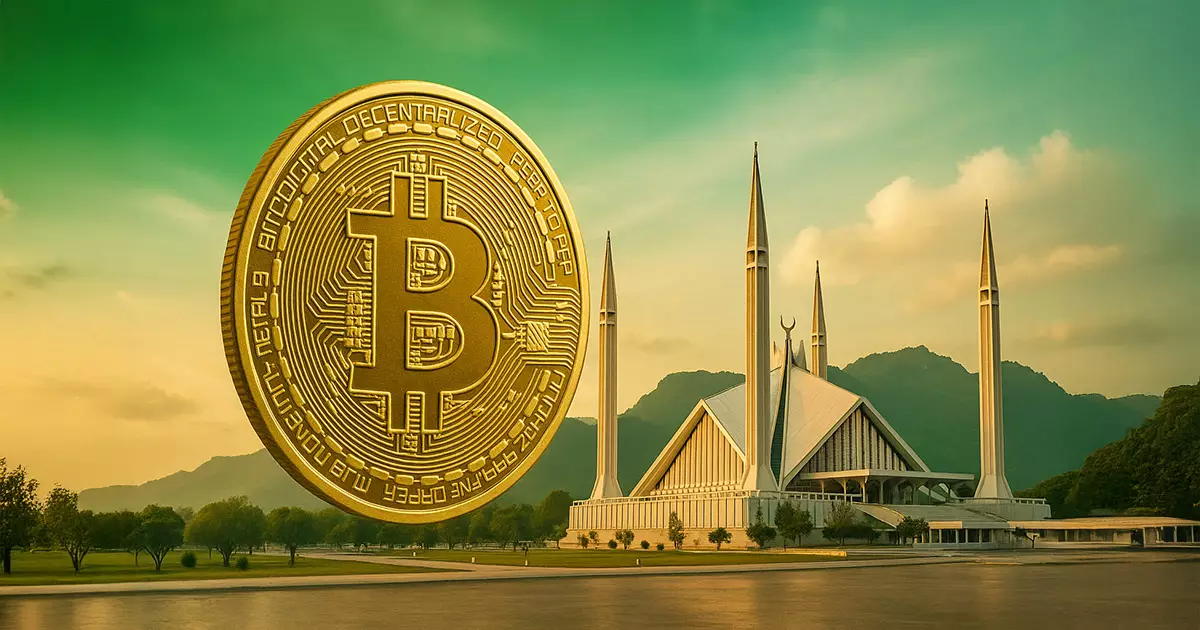
In a country grappling with persistent electricity shortages and fiscal instability, Pakistan’s government is making a provocative decision: redirecting 2,000 megawatts of power towards Bitcoin mining operations. This move raises fundamental questions concerning the priorities of an economically troubled nation. Despite the obvious challenges, authorities are marketing this initiative as a significant step towards harnessing cryptocurrency and technological advancements. However, what this really reflects is a potentially reckless gamble on the part of political leaders, who appear to prioritize speculative ventures over core necessities such as stable energy provisions for citizens and industries.
The International Monetary Fund (IMF) has cautiously flagged its concerns, noting that prior consultation was necessary for any policy shifts impacting electricity allocation. By bypassing discussions with the IMF, a notable partner in Pakistan’s economic rescue, the government may have compounded its predicament, as it faces mounting pressure to resolve electricity tariff issues and ensure provision for the public. Rather than setting a path for economic renaissance, this seems more like an impulsive sprint into uncharted territory, unmindful of the tangled regulatory web that cryptocurrency entails.
Bitcoin: An Economic Savior or a Mirage?
There is an undeniable allure to Bitcoin in the developing world. Many see it as a means of financial empowerment, an alternative to the traditional banking systems that often leave the most vulnerable behind. However, the enthusiasm for cryptocurrencies is often laced with naiveté about their volatility and the inherent risks they pose. Pakistan’s attempt to repurpose coal power plants for Bitcoin and AI data centers is emblematic of a larger trend, as governments worldwide seek to harness blockchain technologies without fully understanding the financial implications.
The decision to convert underutilized coal plants into Bitcoin mining sources strikes me as a misplaced priority. While the potential for profit abounds, the consequences should be diligently assessed. This initiative could further strain Pakistan’s already tenuous electricity grid and exacerbate tariff issues. It begs the question: at what cost is this vision of progress being pursued? Are we merely placing the nation’s economic future in the hands of intangible assets, while disregarding necessary energy reforms?
A Chaotic Dance with the IMF
The IMF’s involvement cannot be understated, as the organization extends significant loans to stabilize economies facing fiscal crunches. Yet, the immediate question arises: how does Bitcoin mining fit into this scenario? In granting a $2.4 billion loan to Pakistan, the IMF’s apprehensions should serve as red flags. The idea that the government did not consult the IMF regarding energy allocation betrays a level of recklessness in policy-making.
Moreover, the financial conversations teeter precariously on a razor’s edge. An unofficial source within the budget negotiations quoted, “There is a fear of further tough talks from the IMF on this initiative,” clearly indicating that the IMF is not merely a financial institution but also a political influencer. Decisions made in haste by the government could jeopardize existing negotiations with the IMF, complicating one of the few lifelines available to Pakistan’s economy.
The Institutional Push for Regulation
In reaction to the burgeoning interest in cryptocurrencies, Pakistan has established the Pakistan Crypto Council (PCC) aimed at regulating digital assets. The recent appointment of prominent figures like former Binance CEO Changpeng Zhao as a strategic advisor underscores the serious intent to integrate cryptocurrencies into the financial landscape. However, without a coherent regulatory framework, these efforts seem more performative than substantive.
The establishment of the Pakistan Digital Assets Authority (PDAA) indicates an ambition to oversee digital asset service providers and promote innovation. Yet, it is unclear how effective this body will be in managing the complexities of a rapidly evolving market. If this regulatory framework fails to strike a balance between innovation and risk management, Pakistan’s crypto ambitions could face an unrecoverable setback.
Pakistan’s Youth: A Double-Edged Sword
The narrative surrounding young innovators in Pakistan is a powerful one. As digital natives, they are eager to embrace technology and break free from the norms of traditional finance. However, pushing them towards Bitcoin mining as a primary economic focus, particularly when basic needs remain unmet, seems misguided. This demographic deserves support and resources that facilitate genuine opportunity rather than pushing them into a volatile market that could leave them more vulnerable.
Promoting progressive initiatives is vital, but they must also be sustainable and grounded in reality. The spotlight on Bitcoin should not overshadow the pressing issues that require the government’s attention. In its current state, Pakistan’s foray into cryptocurrency risks compromising the well-being of its citizens rather than elevating it.