
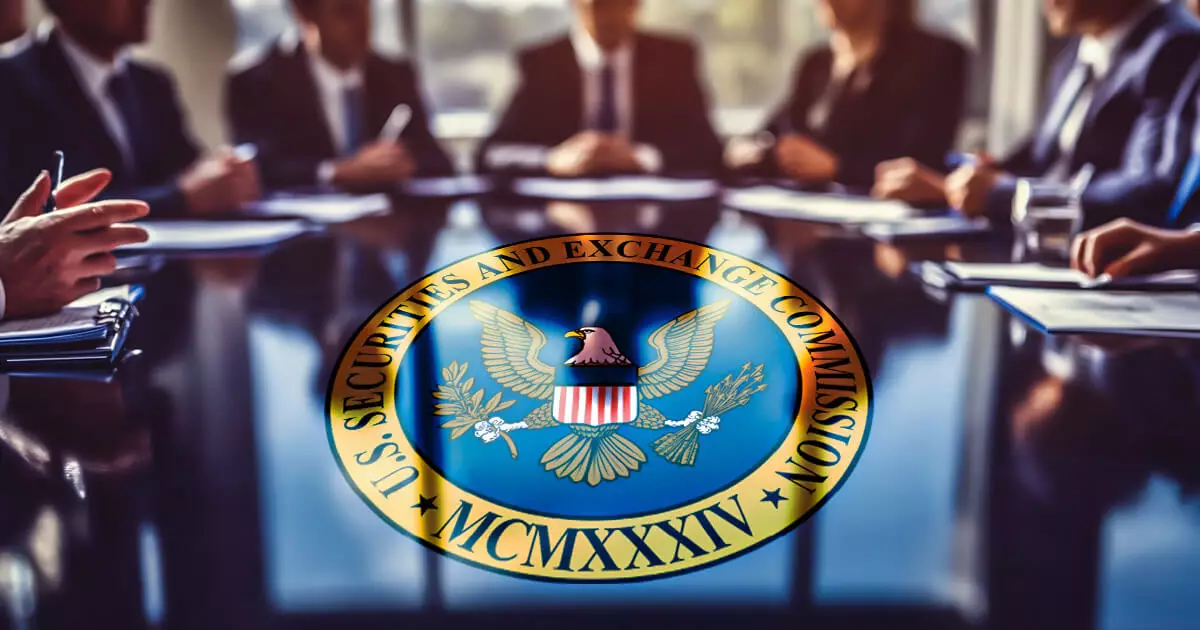
On March 21, the U.S. Securities and Exchange Commission (SEC) will kick off its much-anticipated series of roundtable discussions through the newly established Crypto Task Force. This initiative, branded as the “Spring Sprint Toward Crypto Clarity,” marks a vital turning point in how regulators tackle the complex, often misunderstood world of digital assets. Instead of maintaining a heavy-handed approach, which has led to an environment ripe for confusion and resistance, the SEC is now seeking collaboration and insight from industry experts and the public. This shift could finally provide the clarity that has long been lacking, fostering a space for innovation while ensuring investor protection aligns with reasonable market dynamics.
At the heart of the inaugural session lies one of the most contentious issues in the crypto landscape: defining what a security is concerning digital assets. The determination of whether a token or asset meets the criteria for regulatory oversight is critical, as it influences compliance requirements and impacts innovative endeavors. For too long, a lack of clear guidelines has allowed for regulatory gray areas, slowing down the potential for investment and growth in the sector. With enhanced dialogue initiated through the roundtables, there is hope that the SEC can pinpoint these definitions in a manner that is not overly burdensome while still protecting investors.
Commissioner Hester M. Peirce, who leads this task force, offers a refreshing perspective by inviting public engagement to inform the regulatory framework. This approach contrasts sharply with the SEC’s previous “enforcement-first” mentality, which earned them considerable backlash for stifling innovation rather than nurturing it. The chance for the public and industry stakeholders to share insights with regulators signals a significant departure and opens the door for a more balanced approach to crypto regulation, where innovation thrives alongside robust investor safeguards.
The diversity and expertise within the Crypto Task Force bolster optimism regarding its work. Notable appointments like Michael Selig—a former advisor on securities compliance at a top law firm—illustrate the task force’s intent to bridge regulatory frameworks with real-world crypto applications. It’s refreshing to see experienced professionals stepping into roles that traditionally have been filled by those strictly focused on compliance or law enforcement. As articulated by Peirce, this team reflects a commitment to finding workable solutions to complex regulatory issues while remaining open to technological advancements that could disrupt traditional market practices.
Moreover, the inclusion of individuals with industry experience lends credence to the task force’s ability to craft regulations that are not only executable but also conducive to growth. Landon Zinda, a former policy director at a crypto advocacy group, provides a conduit between the industry’s needs and regulatory realities. A task force composed of both regulatory veterans and individuals steeped in crypto’s innovative milieu signals that the SEC is genuinely interested in crafting sensible rules rather than creating barriers.
Moving Toward a Balanced Regulatory Approach
The SEC, particularly under the current leadership, has seemingly recognized the necessity of a regulatory environment that does not stifle innovation. The willingness to deploy enforcement resources judiciously reflects a sophisticated understanding that too much regulation can lead to market stagnation, pushing startups and entrepreneurs abroad in search of friendlier environments. The task force aims to carve out a framework where compliance is straightforward, allowing innovations in blockchain, cryptocurrencies, and related technologies to flourish without the weight of overregulation.
Many stakeholders have criticized the SEC’s previous approach, which has resulted in hefty fines and continuous legal challenges, creating an atmosphere of uncertainty that hinders investment. By incorporating public feedback and recommendations, the task force appears to be pivoting toward a more accommodating model that embraces the innovative spirit of the crypto community while still prioritizing consumer protection.
The Crypto Task Force’s open invitation for public participation is a notable shift in the regulatory approach. The integration of stakeholder insights into the discussions acknowledges that effective regulation necessitates an understanding of the market it seeks to govern. By allowing the community to voice its opinions and concerns, the SEC is not just acting as a gatekeeper but is becoming an active participant in shaping the future of the crypto market.
As the date for the roundtable approaches, anticipation grows. The outcomes of these discussions could very well establish a new precedent in the tension between innovation and regulation, potentially serving as a model for other countries grappling with similar issues. The focus on collaboration rather than confrontation could lead to a more harmonious coexistence, allowing the U.S. to remain a leader in the ongoing technological revolution that digital assets represent.