The European Union is currently experiencing a seismic shift in its cryptocurrency landscape following the enforcement of the Markets in Crypto-Assets (MiCA) regulations. This transition is not merely a bureaucratic formality; it represents a fundamental restructuring that prioritizes regulatory compliance and user safety. The aim here is clear: to advance cryptocurrency toward mainstream acceptance, a direction that’s both overdue and essential for the market’s survival. However, this shift also brings challenges, as the established players in the crypto ecosystem must adapt to an increasingly regulated environment or risk obsolescence.
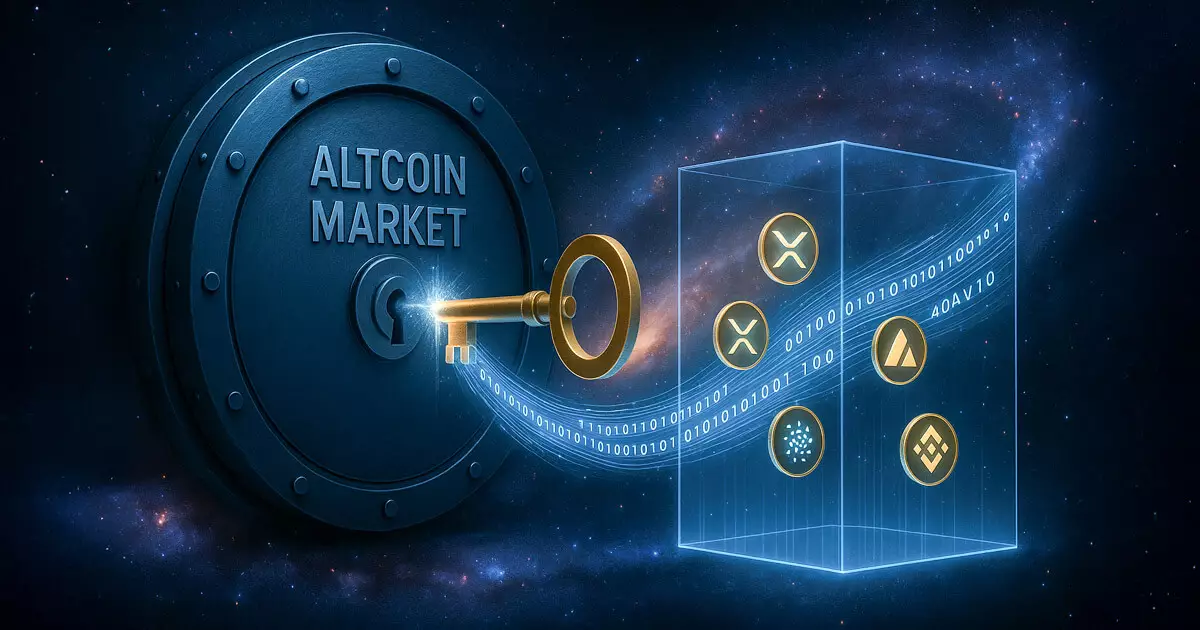
One of the most noteworthy developments is the proactive measure taken by several cryptocurrency exchanges, which have begun to delist non-compliant stablecoins. This delisting is not just an administrative adjustment but a clarion call emphasizing the importance of compliance in an ecosystem that has thrived on a degree of regulatory ambiguity. In this context, established exchanges are becoming vital hubs for the future growth of altcoins, an area poised for substantial expansion as regulation takes root this year.
The Sunk Cost Fallacy of Non-Compliant Assets
Many investors might find themselves grappling with the sunk cost fallacy—holding on to non-compliant assets in hopes of a rebound, despite mounting evidence that the future favors compliance. The MiCA regulations will explicitly affect operational requirements, anti-money laundering (AML) protocols, and consumer protection measures. This regulatory tightening may initially seem disruptive, yet it represents an invaluable step toward a sustainable and trustworthy market. Those who continue to cling to outdated and unscrutinized investments will likely face severe consequences.
At this juncture, the crypto community has a pivotal decision: adapt to the new rules of engagement or brace for obsolescence. The delisting of stablecoins is merely the tip of the iceberg. If exchanges want to thrive in this evolving landscape, they must innovate and adapt their models. The question is daunting: can exchanges and investors alike navigate this transition and maintain a growth trajectory long enough to be fruitful?
Altcoins as the Next Frontier for Growth
As Bitcoin’s colossal market dominance begins to plateau, altcoins are emerging as the new frontier for growth—an opportunity that’s both tantalizing and necessary. The recent performance of cryptocurrencies indicates a pivot away from the speculative nature of what many have labeled “memecoins.” Instead, the focus is shifting toward altcoins, which possess real-world applications and tangible utility. While Bitcoin continues to suffer from deflationary pressure and market volatility, altcoins are standing resilient, showcasing less drastic price declines this year.
The impressive resilience of altcoins amidst Bitcoin’s ebb and flow should not be taken lightly. In fact, an analysis suggests that we may very well witness altcoins eclipse Bitcoin’s dominance in the next market cycle. Unlike their meme-centric counterparts that thrive on social media hype, altcoins are carving out niches that cater to actual needs—this is where true value lies. It’s this diversification that institutional investors are increasingly eyeing, as they seek to hedge against Bitcoin’s inherent volatility while exploring the vast potential of a burgeoning altcoin sector.
The Gatekeepers of a Legal Framework
Regulated exchanges have transformed dramatically; they no longer serve merely as facilitators of transactions but have evolved into gatekeepers of a sustainable market. The compliance framework imposed by the MiCA regulations allows exchanges to operate within a legally sound environment, promoting transparency and enticing broader institutional investment. The implications are profound: as the market stabilizes and regulatory barriers dissolve, we will see an influx of new capital aimed at diverse altcoin initiatives.
Now, the critical question is: can we trust that this newly formed compliance environment will genuinely safeguard investors? The track record of crypto has included numerous scandals that have eroded trust, and the path ahead is fraught with cautionary tales. However, by diligently prioritizing consumer protection and market integrity, regulated exchanges are establishing a safety net that cannot be undermined.
In this new paradigm, adhering to regulations isn’t just an afterthought—it’s a necessity. It sets the groundwork for long-term growth, allowing innovative projects to thrive while minimizing the kind of speculative mishaps exemplified by the memecoins that have dominated headlines in the past.
An Optimistic Outlook for European Crypto
The EU is rapidly emerging as a global hub for cryptocurrency, demonstrating an ambition to outpace both North America and Asia, particularly in crypto banking. With frameworks like MiCA in place, the EU is determined to create an ecosystem that insulates itself from the pitfalls of yesteryear, ensuring that net-positive impacts on the economy and society can be achieved. Regulators are beginning to understand that fostering a culture of compliance and legal clarity is essential for the healthy maturation of the market.
As the crypto era dawns anew, the importance of regulated exchanges cannot be overstated. They are not only facilitators but the architects of an innovative crypto landscape—a landscape where consumer protection, market integrity, and sustainable growth narratives can all coexist. With careful cultivation, the age of altcoins cradled by compliant exchanges will pave the way for a future that’s both promising and impactful.