
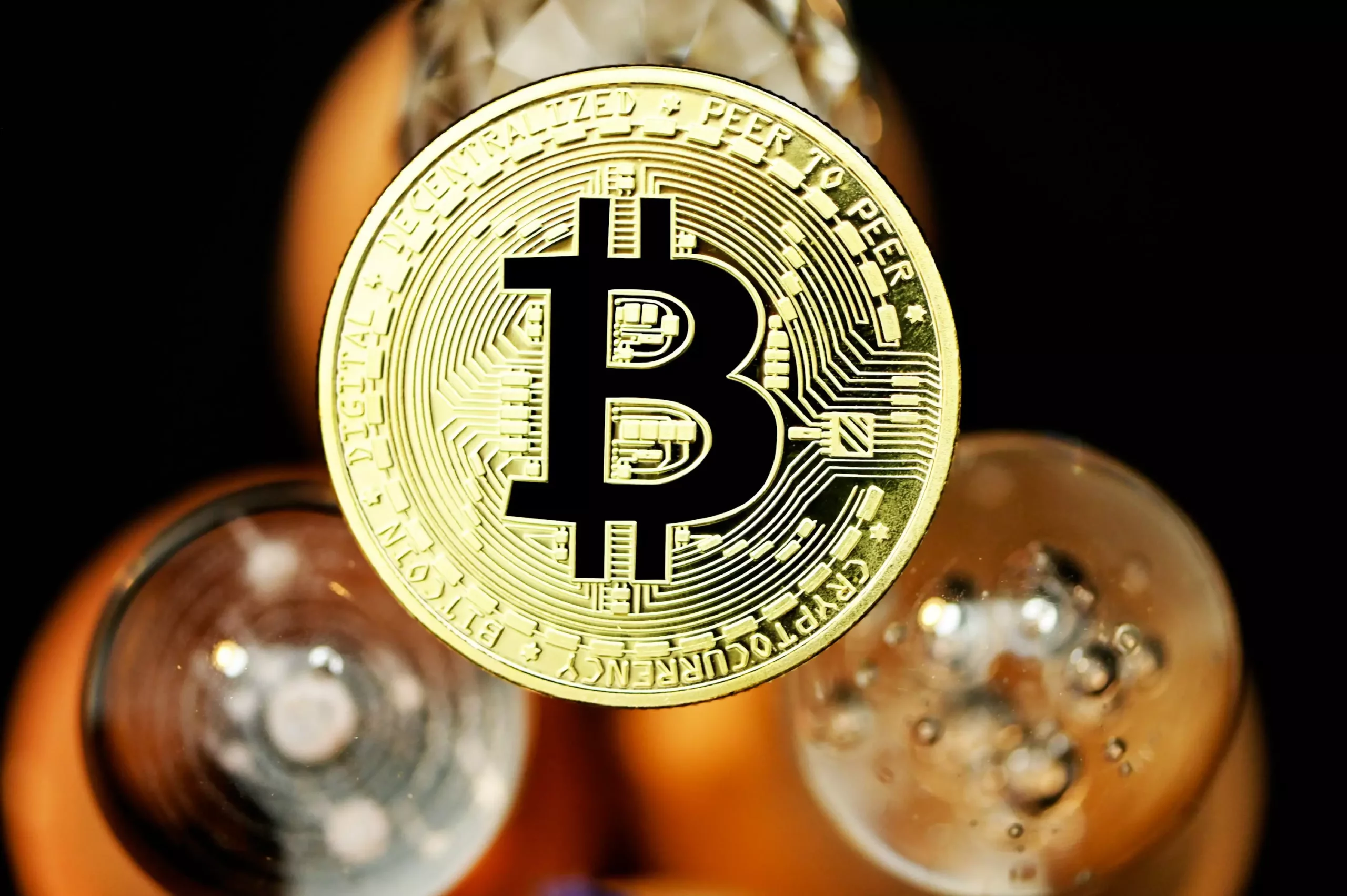
Bitcoin has proven to be an extraordinary player in the financial arena, especially revealed in recent months when it surged by an impressive 25% since April 2. This surge occurred simultaneously with declines in conventional stock indices, most notably the S&P 500, which fell nearly 1% during April. The digital currency’s rise amidst broader market turmoil is more than just a statistical anomaly; it highlights a critical shift that Bitcoin represents in the way we perceive assets, trading, and economic value. While traditional markets are heavily influenced by fiscal policies and regulatory measures, Bitcoin remains an independent entity, often acting contrary to conventional economic winds.
What stands out is Bitcoin’s remarkable inevitability to break past significant thresholds; it crossed the $104,000 mark by May 12. This triumph came at a time when skeptics were overwhelmingly focused on the potential fallout of tariff negotiations and supply chain disruptions. Instead of crumbling under pressure, Bitcoin showcased its potential as a safe haven—an asset that defies economic gravity.
Immunization Against Global Instability
The skeptical perspective of cryptocurrencies often states that they harbor inherent instability and unpredictability. However, Bitcoin has demonstrated a unique capacity to endure and even flourish in the face of adversity. The argument that politicians might begin to use Bitcoin to evade tariffs has floated around the crypto community, but concrete evidence remains elusive. This situation takes us to a pivotal point in our understanding of Bitcoin.
Instead of being a tool for governments to bypass fiscal responsibilities, it operates primarily as a decentralized currency providing a hedge against volatility. As traditional methods of trade settle into the waiting arms of government scrutiny, Bitcoin stands outside the window, offering anonymity and freedom from bureaucracy. Still, it’s natural to have reservations about its viability as a mainstream financial instrument. Especially when we consider that significant on-chain transactions are traceable by regulators eager to clamp down on illicit activities.
The Cryptocurrency Compulsion: Why Investors are Hooked
While significant risks loom—the possibility of rising interest rates, regulatory crackdowns, and the emergence of competitive cryptocurrencies—investors can’t help but remain tethered to Bitcoin’s allure. It’s painted as a high-stakes game where entry points hinge on the highs and lows of market activity.
Investors have adopted a buy-the-dip mentality, hoping to capitalize on any falling prices as excellent opportunities. With previous rallies suggests that the longer Bitcoin runs, the more following it garners. This behavior ties into a form of shared psychosis among cryptocurrency enthusiasts—an almost compulsive need to engage and invest, regardless of the prevailing uncertainties in the market. It complicates the narrative, suggesting that Bitcoin is not only a speculative asset but also a cultural phenomenon.
The Barometer of Financial Sentiment
As Bitcoin continues to dance around the crucial barrier of $105,000, it serves as a reflective surface for both trader sentiment and economic conditions. Should significant barriers crumble, Bitcoin’s price merely reassures its proponents while placing newfound pressure on alt-coins and other cryptocurrencies to prove their worth. The latent dynamics suggest a curious emotional inclusion within monetary systems.
Interestingly, systems of monetary policy and investor sentiment are beginning to influence Bitcoin’s trajectory. A singular focus on tariff negotiations or market downturns alone is outdated; comprehensive insights must now include Bitcoin’s role as a bellwether for global financing trends.
Despite emerging challenges from other financial entities—particularly Exchange-Traded Funds (ETFs) and institutional investments—Bitcoin’s robust performance may solidify its future as a serious alternative asset class, inviting more serious discourse in traditional finance circles. The allure of big moves cannot be overlooked, and as any serious trader will tell you, it’s not just about numbers; it’s about the psychology behind those numbers and the stories we tell ourselves in the process of trading.
Bitcoin’s Future: An Alternative Narrative
As we navigate the intricate landscape of emerging financial technologies, the stark difference in the narratives surrounding Bitcoin compared to traditional investments presents an opportunity for renewed discussion. Independent of government actions, trade wars, and all the trappings of bureaucratic control, Bitcoin is more than mere currency; it’s a radical shift in how we perceive value, investment, and, ultimately, freedom.
We are perched at the edge of an economic renaissance that could redefine wealth building. If Bitcoin cements its role as both a resilient asset and a cultural phenomenon, the interplay between traditional and modern financial systems may become less confrontational and more symbiotic—an evolution that, frankly, is long overdue in our aging economic structures.