
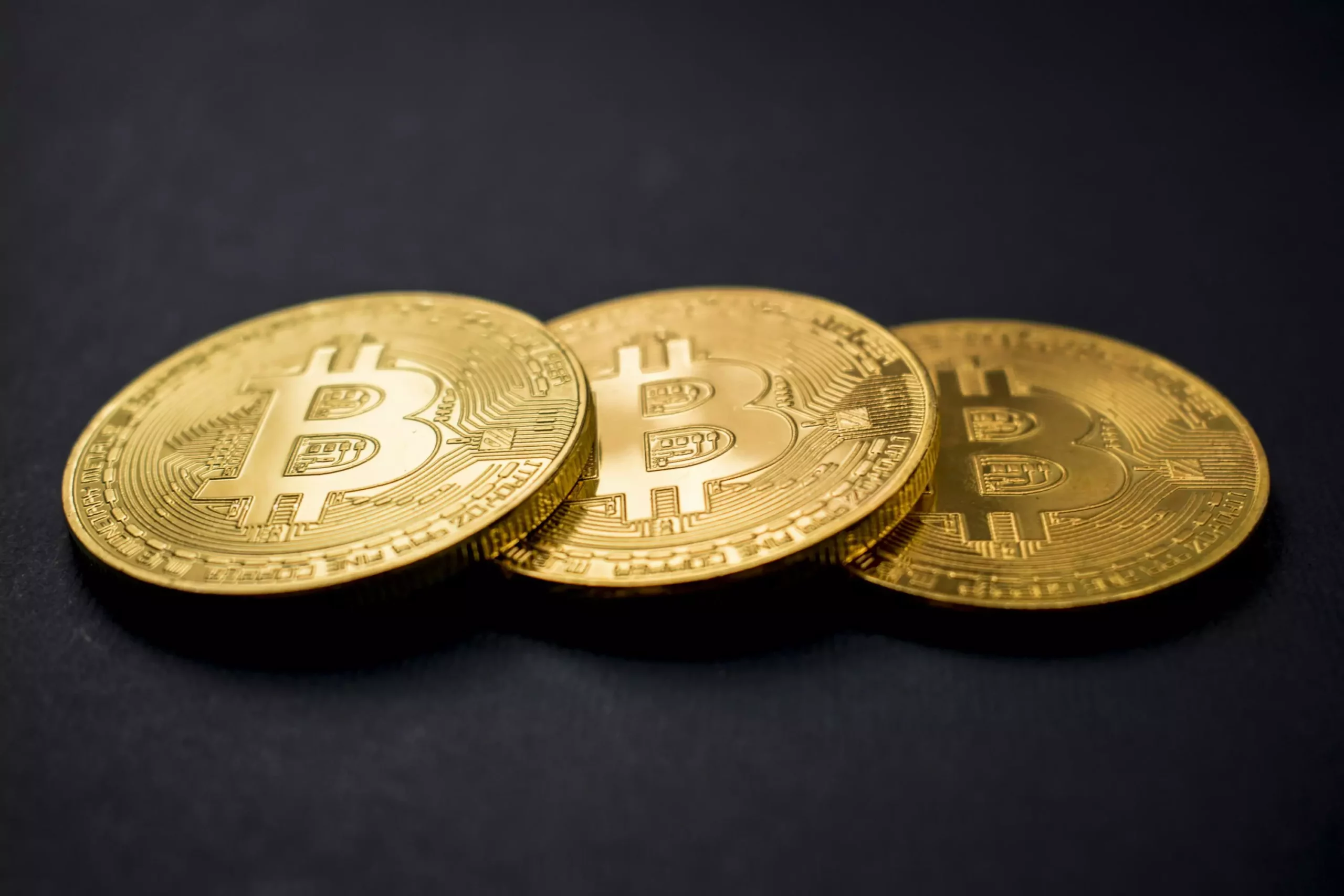
Bitcoin’s journey has been nothing short of phenomenal, transforming from a niche curiosity to a symbol of financial independence with a staggering appreciation of approximately 14,590% since December 2013. It started its ascent during the mayoralty of Michael Bloomberg when its value was just $754. By the time New York prepares for its next election, Bitcoin’s value has skyrocketed to over $107,000. This rapid growth is not just a testament to Bitcoin itself; it reflects broader economic shifts and the evolution of public perception regarding digital currencies.
In just over a decade, Bitcoin has transcended its initial classification as a risky experiment to become a celebrated financial asset. However, this meteoric rise invites a deeper analysis of how such a shift has countered prevailing political narratives and economic models that have historically favored centralized control over financial systems.
Political Implications of Cryptocurrency
As the political landscape in New York City changes, the rising value of Bitcoin raises important questions about the separation of money from state influence. The epidemiology of Bitcoin’s success was closely monitored during the administrations of three different mayors. From Bloomberg to Bill de Blasio, and now with Eric Adams, each political tenure offers an interesting lens through which to view the fluctuating cryptocurrency market.
Particularly under Mayor Adams, who famously accepted his first paycheck in Bitcoin, there was a significant political endorsement of the cryptocurrency narrative. His proactive stance signaled an openness to innovation and a willingness to explore alternatives to traditional financial structures. Yet, it is crucial to scrutinize whether such political endorsement translates into sustainable economic policies or if it merely serves as a temporary narrative to gain favor from a tech-savvy constituency.
The Reality of Market Fluctuations
Despite the positive trajectory of Bitcoin, it hasn’t been a straight line to the top. The cryptocurrency market is known for its volatility, and the bear market of 2022 tested the resolve of many investors. However, Bitcoin proved resilient, rebounding impressively in 2023. This resilience highlights a larger narrative: Bitcoin is more than just a financial asset—it embodies a rebellion against state-led economic control.
The market’s volatile nature parallels the unpredictability of political sentiments, which often sway with each election cycle. It is imperative to recognize that while political figures may help shape the dialogue surrounding cryptocurrency, they are not the driving forces behind its growth. On the contrary, global demand, investment patterns, and external economic factors play a more pivotal role in determining Bitcoin’s trajectory.
Looking Ahead: The Future of Bitcoin and Politics
As we look forward to the upcoming elections, the question is not merely whether the next mayor will endorse Bitcoin; it goes much deeper. The question revolves around how entrenched Bitcoin will become in the financial fabric of society, independent from political affiliations. The upcoming elections could serve as a test for the resilience of Bitcoin amidst shifting political allegiances.
Jeff Park’s observations about the market’s relationship with city politics underscore a vital truth: while mayors serve as markers in the timeline of Bitcoin’s journey, they are not the linchpins of its success. Instead, this teleological perspective on Bitcoin posits that its ascendance signifies a larger movement towards financial decentralization. If Bitcoin continues to prosper, it may compel traditional financial institutions and governments alike to adapt or risk obsolescence.
Ultimately, Bitcoin’s growth encapsulates a burgeoning demand for economic freedom and choice, independent of political structures. Its journey delivers a clear message: financial tools and paradigms can thrive outside the direct influence of government. This notion should inspire future leaders to approach the cryptocurrency with both caution and enthusiasm, recognizing the intrinsic value of allowing individuals to dictate their financial futures. In this way, Bitcoin’s story remains one of remarkable potential, promising to transcend the confines of political whim.