
In the complex world of cryptocurrency, the veneer of regulatory oversight often turns out to be just that—an illusion. The recent scrutiny of Binance, the planet’s largest crypto exchange, exposes a disturbing pattern of superficial compliance and evasive transparency. Despite a hefty $4.3 billion settlement aimed at curbing money laundering and sanctions violations, the fundamental question remains unanswered: is Binance truly abiding by the rules? Federal prosecutors’ failure to confirm ongoing adherence underlines a broader narrative of regulatory ineffectiveness. Such gaps threaten not only investor confidence but also jeopardize the legitimacy of the entire industry. A system designed to prevent illicit financial flows appears waning, with enforcement diminished to mere perfunctory gestures rather than assertive action.
Your Money, Their Game
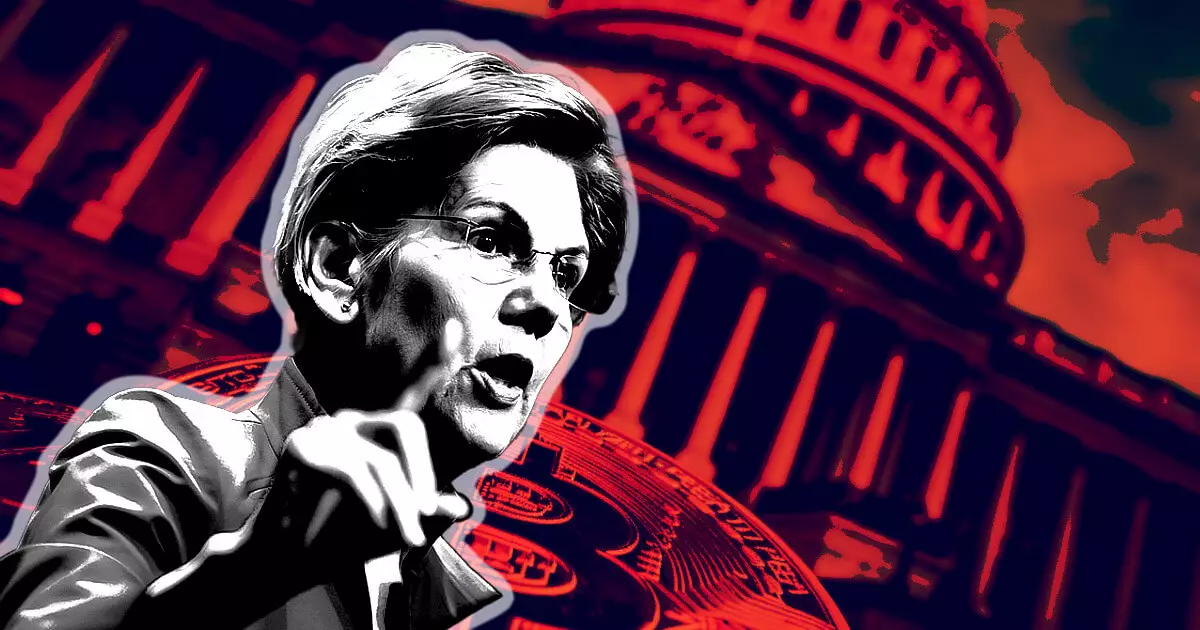
The pushback from Senator Elizabeth Warren and colleagues reveals their skepticism about Binance’s apparent opacity. Official responses from authorities have been notably vague, leaving important questions about whether the company is genuinely compliant or simply paying lip service to regulators. The ongoing debate over whether to remove Binance’s compliance monitor demonstrates how toothless enforcement can undermine the very purpose of such oversight. While Binance has paid substantial penalties, money alone does not guarantee accountability. The real concern stems from whether the exchange is actively reforming its internal controls or merely engaging in a delayed compliance charade. In a space rife with criminal exploitation, this ambiguity is reckless and dangerous.
The Political Chess Game and Its Implications
Adding another layer of concern is the tangled web of political influence and corporate opacity surrounding Binance. Reports about interactions with Trump-era officials and connections to entities like World Liberty Financial raise troubling questions about potential favoritism or covert collusion. The fact that Binance’s founder, Changpeng Zhao, sought a presidential pardon after serving jail time adds fuel to the fire of suspicion. These associations threaten to undermine the integrity of enforcement efforts, turning regulatory agencies into pawns in a broader political chess game rather than independent guardians of financial stability. Such a scenario underscores the urgent need for reform rooted in transparency, accountability, and an acknowledgment that no platform should be above regulation—not even the world’s biggest cryptocurrency exchange.
The Cost of Complacency
The hypocrisy of regulatory agencies waving through Binance’s superficial compliance is a stark reminder that complacency breeds corruption and illegality. Lawmakers who signal a focus on high-profile enforcement now face the uncomfortable truth that such actions are merely cosmetic. The recent legislation like the GENIUS Act, while well-intentioned, risks becoming hollow rhetoric if fundamental regulatory gaps persist unchallenged. Cryptocurrency’s promise of innovation should not serve as an excuse for lax oversight or corporate impunity. The reckless neglect of these issues jeopardizes financial security and threatens to create a toxic environment where illicit activities flourish under the guise of legitimacy. Investors, regulators, and responsible citizens must demand genuine accountability and structural reforms rather than half-hearted measures that merely patch over deeper flaws.