
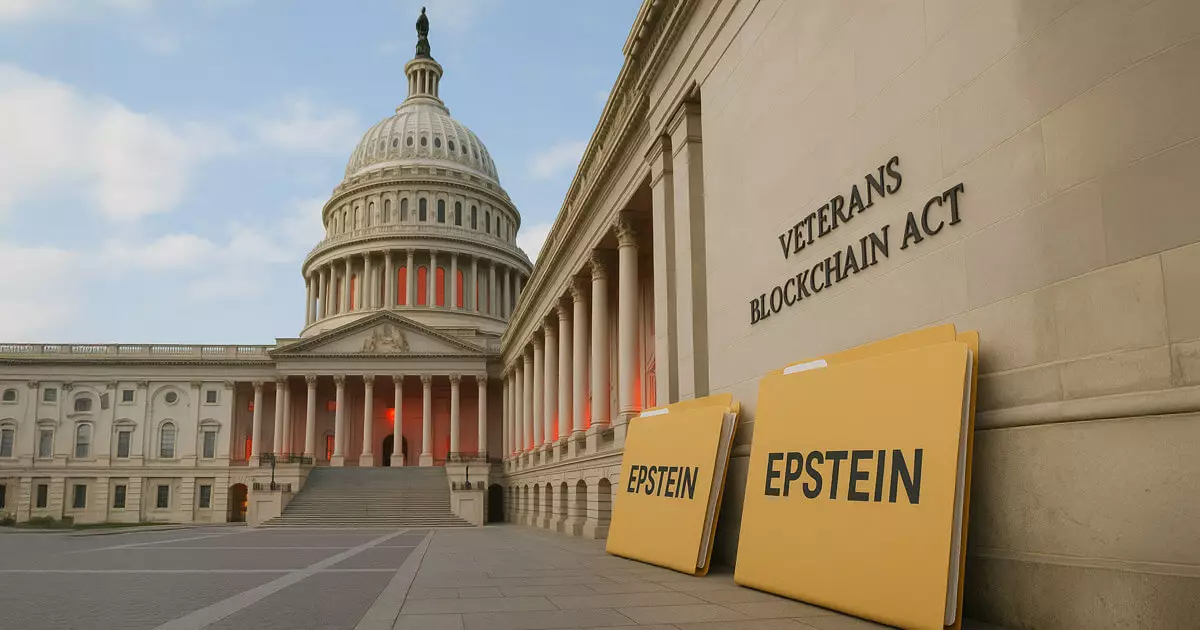
The decision by the House of Representatives to adjourn early, cutting short its legislative session by a week, reveals more than just legislative scheduling; it exposes a profound lack of strategic leadership amid pressing national issues. Historically, legislative bodies pause in August, but the abrupt shift this year suggests a deeper malaise within the political establishment, one that prioritizes political theatrics over governance. The late-night maneuvering surrounding critical bills—like those concerning digital currencies and veterans’ benefits—indicates lawmakers are more reactive than proactive, avoiding confrontation rather than navigating complex policy terrains effectively.
This early recess should serve as a wake-up call for a government distracted by misinformation, internal divisions, and partisan brinkmanship. Instead of pushing forward comprehensive policies that reflect the economic realities of inflation, technological innovation, and national security, the House appears paralyzed, retreating into the comfort of status quo politics. Such an approach risks rendering the legislative process irrelevant when swift action is needed the most. It reveals a chamber that values short-term political convenience over long-term economic stability and technological competitiveness.
Crypto Legislation: Fragmented and Stalled but Not Defeated
Despite the pause, a significant portion of the crypto legislative agenda remains intact, hinting that some policy efforts are resilient even in turbulent political waters. Bills like the GENIUS Act, which aims to clarify the regulation of stablecoins, and the CLARITY Act, designed to delineate authority between regulatory agencies, have already gained bipartisan traction. These measures signal a recognition that clear, consistent regulation is essential for fostering innovation and investor confidence in the digital asset ecosystem.
However, the postponement creates a risk of lost momentum. The legislative delay impairs the ability to address rapidly evolving issues such as tax reform for digital assets and potential security concerns related to federal digital currency initiatives. The critical question is whether lawmakers will grasp the opportunity to refine these bills upon their return or succumb to political inertia, allowing regulatory uncertainty to fester. The strong bipartisan support so far suggests that with focused effort, these policies can still shape the future of digital finance rather than be relegated to legislative limbo.
Implications for Broader Economic Policy and National Security
The recess halts work on important economic legislation, especially those related to taxation and technological modernization. Digital assets continue to grow in importance, impacting everything from investor portfolios to national monetary policy. Yet, the legislative gridlock hampers progress on establishing a rational tax framework and a balanced regulatory environment, leaving American innovators at risk of falling behind global competitors.
Furthermore, the delay stalls initiatives like the Veterans Affairs Distributed Ledger Innovation Act, which could modernize and secure veterans’ benefits systems, making them more transparent and fraud-resistant. While the concept of leveraging blockchain for government efficiency is promising, lack of immediate legislative action stalls these innovations, potentially costing veterans critical improvements in service delivery.
The broader lesson here is that legislative paralysis—sharp and sudden—undermines economic resilience and national security. When lawmakers retreat from their responsibilities, they give room for uncertainty, increased costs, and missed opportunities. Their silence hampers the development of a balanced, innovation-friendly environment that could otherwise strengthen the U.S. economy in face of mounting global competition.
The early adjournment illustrates a stark failure to prioritize and manage critical legislative priorities effectively. As the world accelerates its push towards digital innovation and economic modernization, the House’s hurried departure undermines confidence in U.S. leadership. It sends a dangerous message that political expediency outweighs the need for thoughtful, decisive policy—especially on issues that directly influence our economy, security, and technological sovereignty.
In an era of rapid change, delays and vacuums in policymaking are not benign; they are a liability that threatens America’s position on the world stage. Lawmakers must recognize their responsibility to confront this chaos, resume meaningful debate, and craft policies that protect American interests. Anything less is a reflection of political weakness that risks leaving the nation disadvantaged and unprepared for the challenges ahead.