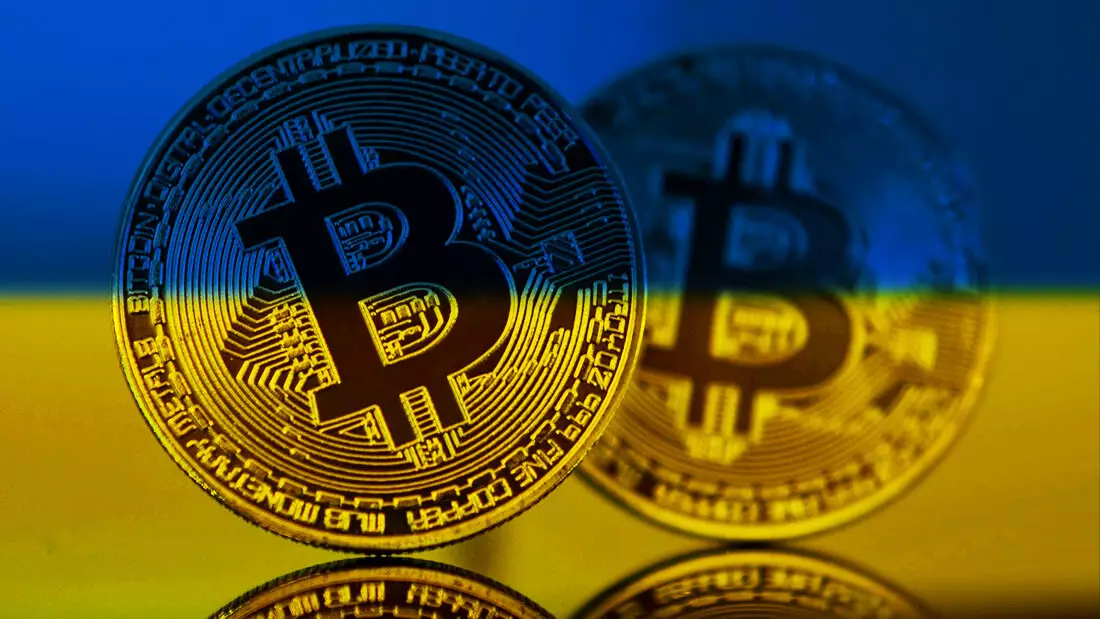
In recent months, Ukraine has made significant progress toward the legalization and regulation of cryptocurrencies, a crucial step that could redefine its financial ecosystem. As lawmakers prepare to debate a crucial piece of legislation regarding digital assets, the country is at a crossroads. Local media outlets reported that a vote is anticipated in the coming months, building hope for a sector that has shown remarkable resilience and growth amid ongoing challenges. However, the impending decision raises pressing questions regarding the taxation of these digital currencies, a pivotal factor that could either fuel the industry’s expansion or stifle it under bureaucratic weight.
Taxation: A Double-Edged Sword for Crypto Growth
At the heart of Ukraine’s legislative efforts is the formulation of a crypto tax framework. Initial discussions suggest that officials are contemplating a rate ranging between 5% and 10%, aimed at providing clarity and predictability for investors while simultaneously boosting state revenues, particularly for military expenditures in light of ongoing geopolitical tensions. Nevertheless, the conversation has expanded to include a more traditional tax model: 18% income tax coupled with an additional 5% military levy, leading to a steep combined tax burden of 23%. This duality poses a significant dilemma for lawmakers; while a lower tax rate could make Ukraine an appealing hub for crypto businesses, an overly aggressive taxation plan could drive talent and capital abroad.
The ongoing discussions regarding the precise tax structure will play a critical role in shaping the environment for burgeoning crypto companies. Officials are debating various approaches, including a flat-rate tax system or a tiered structure that adjusts based on an individual’s volume of trading. As Taras Kozak, president of the investment group “UNIVER,” articulated, the nation requires a competitive regulatory framework that attracts investment rather than repels it. Complex taxation could prompt businesses to seek refuge in less regulated offshore jurisdictions, jeopardizing the local industry’s potential.
Political Will and Challenges Ahead
While optimism about the legislation exists, particularly from figures like Danil Hetmantsev, head of the Parliamentary Committee on Finance, Taxation, and Customs, skepticism remains present. Kozak’s timeline suggests that full legalization and effective taxation may be several years off, with potential hurdles suggesting that, despite initial hopes of a quick resolution by the end of the year, comprehensive regulation may not materialize until 2026. Such uncertainty serves as a stark reminder of the fast-paced nature of the cryptocurrency landscape, where delays can quickly result in lost opportunities.
It’s essential to recognize that the path to regulation isn’t simply a matter of drafting legislation. Ukraine has, since 2021, acknowledged cryptocurrencies through legal frameworks, yet significant gaps remained. Addressing these deficiencies is paramount for aligning Ukraine with European Union regulations and international best practices, especially regarding anti-money laundering (AML) and counter-terrorism financing standards. Industry leaders argue that swift action is necessary; failing to pass the legislation could hinder Ukraine’s ability to draw foreign investment in blockchain-related sectors.
Ukraine’s position as a burgeoning leader in crypto adoption cannot be understated, especially given the vital role cryptocurrencies have played in financial transactions since the onset of Russia’s invasion. The pending legislation seeking to establish a clear regulatory structure aims not only to create a stable environment for investors but also to secure the future of Ukraine’s economy amid turbulent times. The intertwined issues of legal framework, taxation, and market adoption signal crucial decisions ahead.
Ultimately, Ukraine’s approach to cryptocurrency regulation serves as a litmus test for other nations grappling with similar concerns. The outcome of this legislative journey will likely influence not only the nation’s economic environment but also its capacity to innovate within the global digital economy. As the discussion surrounding cryptocurrency evolves, Ukraine stands at a significant juncture; how it wields the power of regulation will determine whether it thrives as a crypto hub or falters under the weight of unnecessary complexity.