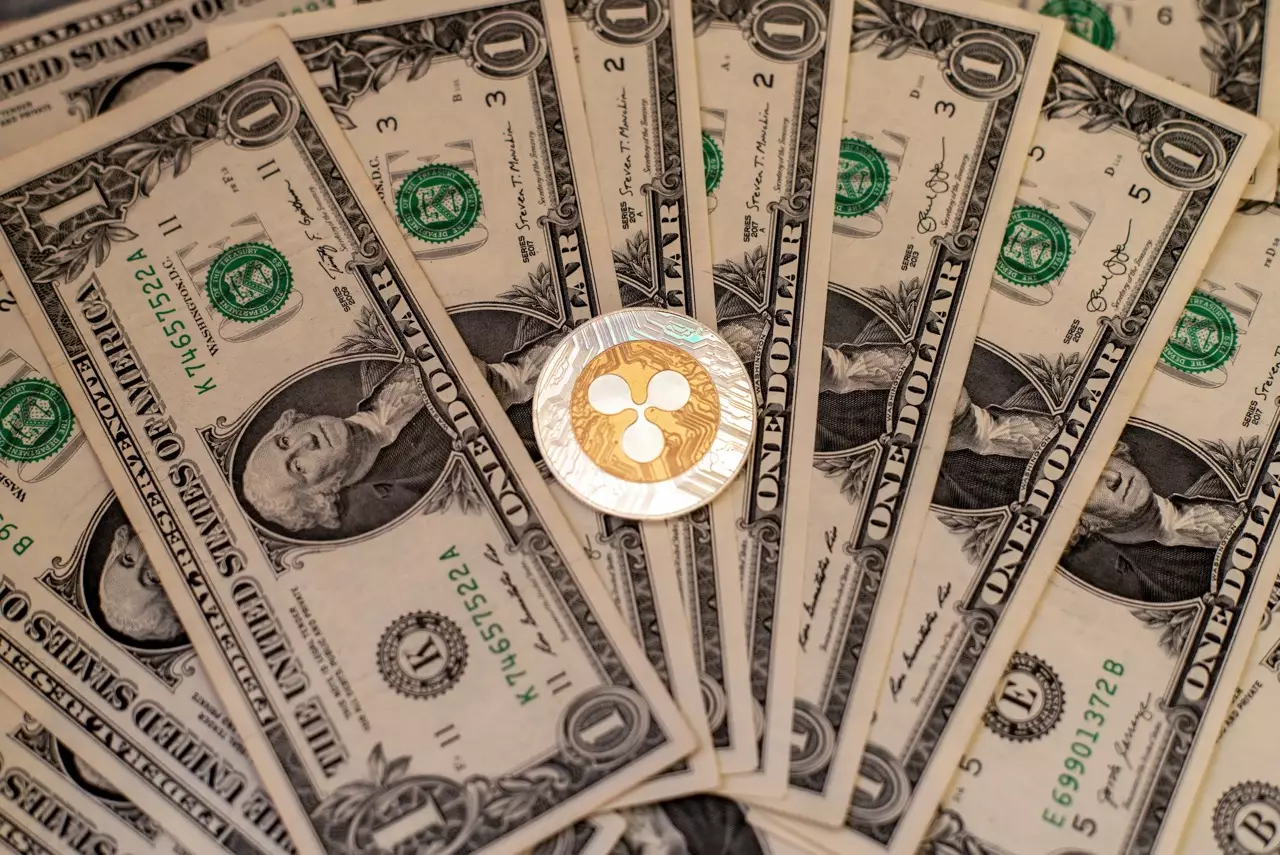
In recent years, the rise of stablecoins like RLUSD has sparked debates within the crypto community about their potential to supersede traditional digital assets like XRP. While stablecoins are strategically valuable for specific use cases such as collateralization and minimizing volatility, their very design makes them inherently less adaptable for long-term financial growth. They are, in essence, digital cash substitutes that excel in stability but lack the potential for substantial appreciation. This fundamental limitation underscores a key failing for those who view stablecoins as the future of digital currency — stability often means stagnation, and stagnation diminishes long-term value prospects.
Ripple’s leadership, particularly CTO David Schwartz, makes it clear that XRP’s purpose extends far beyond a mere transfer medium. While RLUSD can serve well in transactional contexts where price stability is non-negotiable, it doesn’t possess the core attributes that lend XRP its unique value proposition: liquidity, utility in cross-border payment flows, and its embedded role in the XRP Ledger. By fixating exclusively on stability, many overlook the strategic importance of assets that can appreciate, adapt, and function as long-term investments and facilitators of real-world fintech innovation. Conversely, stablecoins face the risk of losing relevance as they are inherently tethered to fiat currencies and their fluctuations in economic health.
Why XRP’s Utility Will Propel It Forward
Contrary to narratives that treat stablecoins as the inevitable successors to cryptocurrencies like XRP, Schwartz emphasizes the real-world utility of XRP as an infrastructural cornerstone. The asset’s primary advantage lies in its ability to enable rapid, low-cost cross-border transactions—something traditional banking ecosystems struggle with. The XRP Ledger’s design ensures that as adoption among businesses and developers accelerates, demand for XRP will naturally grow. Every new participant on the network, whether a bank, payment provider, or fintech innovator, increases the transactional activity that fuels XRP’s intrinsic value.
What is particularly compelling is Schwartz’s confidence that XRP’s usage “dwarfs every other asset” within Ripple’s ecosystem. This recognition of XRP’s central role effectively renders it less susceptible to obsolescence. Unlike stablecoins, which are designed to mimic fiat stability and are limited in utility beyond specific transactional purposes, XRP’s versatility positions it as the vital link in a global financial bridge. As the blockchain infrastructure expands into emerging markets and traditional finance begins integrating with decentralized networks, XRP’s utility is set to become even more pronounced.
Long-Term Outlook: The Battle Between Stability and Utility
Many skeptics argue that the emergence of stablecoins marks the beginning of the end for assets like XRP, but this perspective underestimates the nuanced landscape of digital finance. Schwartz’s insights reinforce a vital point: stablecoins serve niche functions—chiefly stability and predictability—while XRP is geared toward facilitating growth, liquidity, and innovation. For long-term investors, this distinction is critical. Holding XRP offers a chance not just for transactional utility but also for capital appreciation that stablecoins cannot provide.
This pragmatic outlook aligns with a center-right economic philosophy emphasizing the importance of innovation driven by market forces, the protection of capital through well-designed assets, and skepticism toward overreliance on government-backed fiat or fiat-pegged instruments. As more financial institutions recognize the unique advantages of the XRP Ledger, the sustainability of XRP’s value proposition becomes even more evident.
Furthermore, Schwartz’s remarks about the privileged status of XRP on the XRP Ledger suggest an embedded stability rooted in its strategic importance and widespread use case. Unlike newer tokens or potential competitors with untested utility, XRP’s position is backed by its real-world application, liquidity, and integration within a growing ecosystem. This inherently provides it with a long-term competitive edge, making it less vulnerable to regulatory or technological disruptions that might jeopardize lesser assets.
In a landscape dominated by the pursuit of short-term gains or innovations that lack foundational utility, XRP’s role as a facilitator of long-term financial integration offers a compelling narrative. Its capacity to adapt, succeed, and flourish amid volatility confirms its significance as a cornerstone asset in the evolving world of digital finance.