
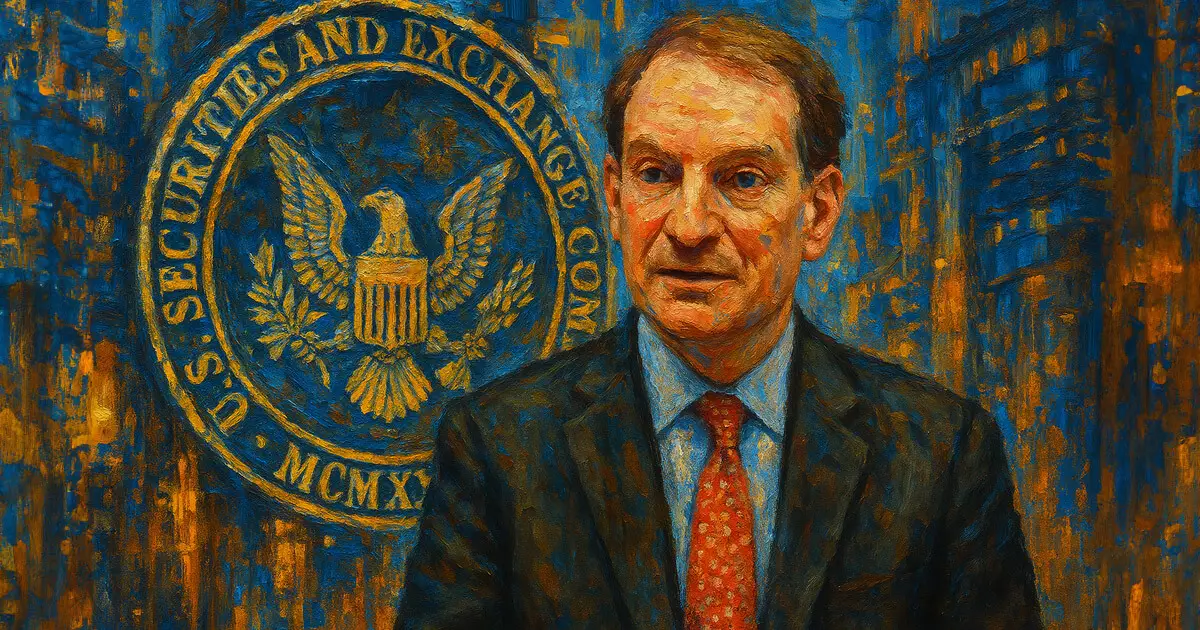
The landscape of cryptocurrency is on the precipice of a seismic shift, reminiscent of the revolution that reshaped the music industry with the arrival of MP3s. During a recent keynote address, SEC Chairman Paul Atkins articulated a bold vision for modernizing U.S. cryptocurrency regulations. This ambitious three-part framework is aimed at overhauling the regulations around issuance, custody, and trading—essentially, it seeks to align centuries-old regulations with 21st-century technological advancements. The message was clear: the regulatory framework surrounding digital assets must evolve from its archaic roots to foster an environment conducive to innovation.
Redefining Regulations for a New Reality
Atkins emphasized the importance of creating a “rational regulatory framework” tailored to the unique characteristics of the digital asset marketplace. The SEC has historically been marked by unpredictable enforcement actions that stifled innovation and deterred prospective investors. This lack of clarity and direction has no place in a rapidly evolving sector that demands flexibility and foresight. As Atkins put it, “It is a new day at the SEC,” signifying a departure from outdated methods toward a framework that encourages compliance while still promoting innovation.
The imposition of outdated disclosure requirements represents a substantial barrier for many new projects wishing to comply with existing regulations. Such regulatory bottlenecks highlight the urgent necessity of re-examining and, where necessary, reforming these frameworks. Exemptions and safe harbors will become integral components of this regulatory overhaul, enabling digital-native assets to thrive without being ensnarled in red tape that currently plagues traditional offerings.
Custody and Compliance: A Paradigm Shift
A crucial aspect of this modernization effort lies in redefining what constitutes a “qualified custodian.” Current regulations, particularly Staff Accounting Bulletin No. 121, have been overly restrictive, often preventing firms from adequately managing their crypto assets. Atkins expressed a commitment to ensuring that custody rules evolve to accommodate self-custody options and best practices that are emerging globally. This is a groundbreaking step that could significantly transform how cryptocurrencies are treated within traditional financial frameworks. The SEC’s regulatory melt-up gives more responsibility to custodians while fostering security for investors.
Moreover, the integration of seamless custody solutions with robust compliance mechanisms will position the U.S. as a pillar of innovation in the global cryptocurrency landscape. Without these evolutions, the risk is substantial; innovative projects may migrate offshore to more accommodating jurisdictions, thereby jeopardizing American leadership in finance and technology.
Innovative Trading Frameworks
On the trading front, Atkins signaled a forward-thinking approach characterized by the integration of crypto and non-crypto assets within a single platform. By allowing broker-dealers to operate in such a manner, the SEC could stimulate the development of a more diversified and competitive market, embracing the full suite of digital tools available to investors today.
Conditional exemptive relief for novel products should be welcomed, as it may allow undiscovered opportunities that do not currently fit neatly within existing regulations. This flexibility can unlock innovation that accelerates market growth, positioning the U.S. more favorably on the world stage.
A Call to Action for Regulatory Vigilance
While the vision outlined by Atkins is invigorating, it must be underscored that effective enforcement against fraud remains paramount. The SEC’s commitment to protecting investors cannot be compromised. However, there is an urgent need to temper enforcement actions with regulatory clarity that transcends enforcement by ensuring predictable rulemaking processes. A responsible moderate approach is needed to protect investors while also invigorating the digital asset economy.
The formation of the new Crypto Task Force, led by Commissioners Mark Uyeda and Hester Peirce, serves as a beacon of hope in decentralizing bureaucratic processes, enabling quicker regulatory decisions, and addressing internal silos. As the agency moves forward with the promulgation of new rules and staff guidance, it must remain vigilant but also innovative—a balancing act necessary for both immediate and long-term market stability.
As the world watches, the SEC faces a critical challenge: the necessity to adapt swiftly to prevent the exodus of talent and innovation from the U.S. marketplace. The dynamic nature of cryptocurrency regulation represents not just a regulatory challenge but an opportunity—one that could redefine America’s role in global capital markets for decades to come.